

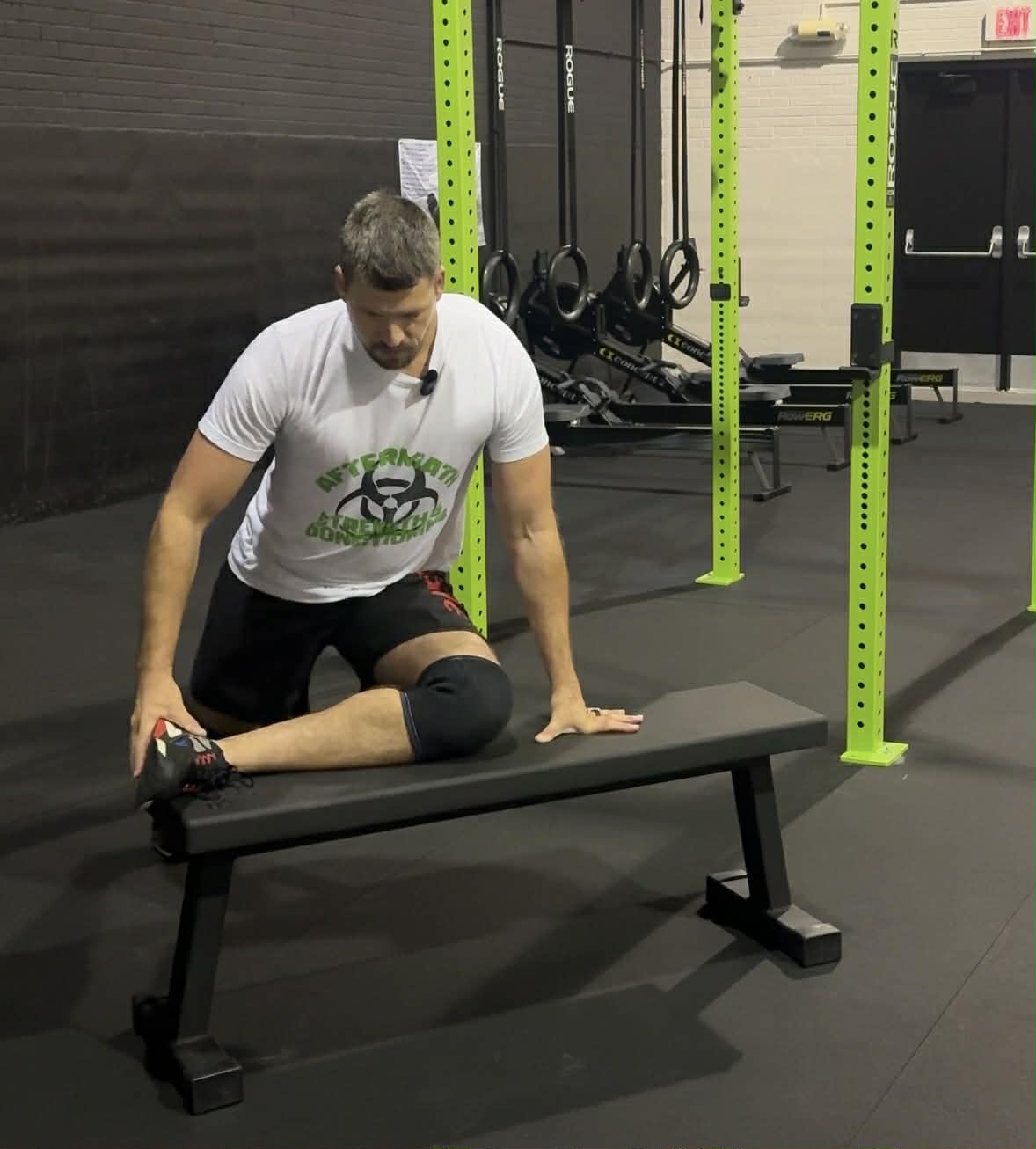
Why You Feel Stiffer (Not Looser) As You Get More Active
A lot of people expect that once they start working out, they’ll feel looser.
Less stiff.
More mobile.
More comfortable in their body.
But then something surprising happens.
They actually feel… tighter.
You might notice:
- Your legs feel stiff after workouts
- Your shoulders feel restricted
- Getting up or moving around feels harder than expected
And it can be confusing.
“Shouldn’t I feel better if I’m working out more?”
The answer is yes. But there’s a reason it does not always feel that way right away.
Your Body Is Adapting to Something New
When you start working out or increase your activity, your body is dealing with new stress.
Even if the movements seem simple, they are:
- Challenging your muscles
- Using ranges of motion you might not be used to
- Asking your body to work in new ways
That leads to soreness, but it can also lead to a feeling of tightness.
Your muscles are essentially saying:
“This is new. I’m not used to this yet.”
Soreness vs Tightness
These two get mixed up a lot.
Soreness usually feels like:
- Tender muscles
- Discomfort when you press on an area
- A dull ache when you move
Tightness often feels like:
- Restricted movement
- Stiffness when trying to get into positions
- A feeling like your body does not want to move as freely
You can have one or both at the same time.
And both are common when you are getting more active.
Why You Might Feel More Stiff
There are a few reasons this happens.
1. Muscles Adapting to New Stress
When you train, your muscles go through small amounts of stress.
That is how they get stronger.
But during that process, they can feel:
- Tight
- Fatigued
- Less responsive
This is temporary.
It is part of the adaptation process.
2. Lack of Mobility Work
Working out alone does not always improve mobility.
If you are not:
- Moving through full ranges of motion
- Spending time on basic mobility
- Addressing tight areas
Then stiffness can build up over time.
3. Poor Recovery Habits
Recovery plays a bigger role than most people think.
If you are:
- Not getting enough sleep
- Not eating enough
- Not hydrating well
Your body will have a harder time bouncing back between workouts.
That can show up as stiffness or tightness.
4. Repeating the Same Movement Patterns
If your workouts or daily habits involve similar movements over and over, certain areas can get overused.
For example:
- Sitting for long periods
- Repeating similar exercises
- Not balancing pushing and pulling movements
That can lead to certain muscles tightening up while others are underused.
What You Can Do About It
The goal is not to eliminate all stiffness.
Some of it is part of training.
But you can manage it.
1. Add Basic Mobility Work
You do not need a long routine.
A few minutes goes a long way.
Focus on:
- Hips
- Shoulders
- Ankles
Simple stretches and controlled movements can help restore range of motion.
2. Change Positions Throughout the Day
What you do outside the gym matters.
If you sit most of the day, your body stays in one position for hours.
Try to:
- Stand up and move regularly
- Shift positions
- Walk when you can
Small changes add up.
3. Warm Up and Cool Down Properly
A good warm-up prepares your body to move.
A good cooldown helps it settle back down.
This can include:
- Light movement
- Controlled stretching
- Breathing
These are simple, but effective.
4. Support Your Recovery
Make sure you are giving your body what it needs.
That includes:
- Sleep
- Hydration
- Nutrition
Recovery is what allows your body to adapt.
Stiffness Is Not a Sign to Stop
This is important.
Feeling stiff does not mean something is wrong.
In most cases, it means your body is adjusting.
The goal is not to stop training.
It is to support your body so it can keep adapting.
Final Thought
It might seem backwards at first.
You start working out to feel better, and instead you feel tight.
But that phase does not last forever.
With a little attention to mobility and recovery, your body starts to adapt.
You begin to:
- Move more freely
- Feel stronger
- Recover more easily
Stiffness is not a reason to quit.
It is a signal to take better care of how you recover.
And that is what leads to long-term progress.

MOVE BETTER AND RECOVER SMARTER
If you are feeling stiff or tight after workouts, you are not alone. Book a free No Sweat Intro and we will help you move better and recover the right way.
Comments are closed