

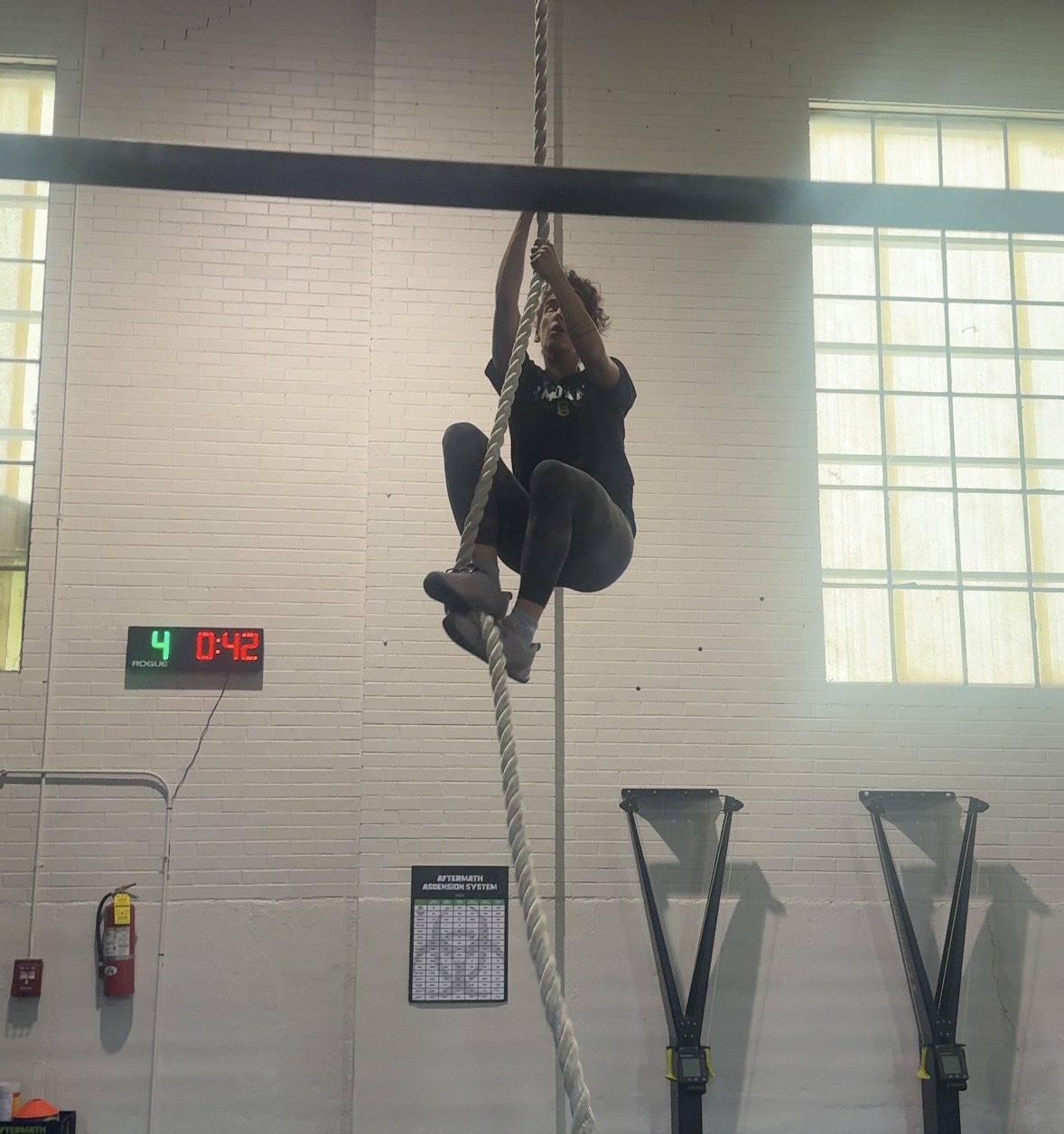
Why We Train Full Body Instead of Just “Leg Day” or “Arm Day”
If you’ve ever been in a traditional gym setting, you’ve probably heard something like:
“Today’s leg day.”
“Tomorrow is chest and arms.”
“I skipped back day this week.”
That style of training is very common.
And for certain goals, it can work.
But if your goal is to feel better, move better, and build overall fitness, there’s a different approach that tends to make more sense.
That’s where full-body training comes in.
What Full-Body Training Looks Like
Instead of focusing on just one muscle group at a time, full-body training uses multiple muscle groups in the same workout.
That might include:
- Squatting or hinging (lower body)
- Pushing or pulling (upper body)
- Core engagement throughout
Most workouts involve a combination of movements that train your body as a whole.
Why This Approach Works Well
There are a few simple reasons why this style of training is effective for most people.
1. It’s a More Efficient Use of Time
Most people don’t have five or six days a week to dedicate to the gym.
Full-body training allows you to:
- Get a complete workout in one session
- Train multiple muscle groups at once
- Make progress without needing long or frequent sessions
If you’re coming in a few days per week, you’re still covering everything.
2. It Carries Over Better to Real Life
In real life, you don’t use just one muscle group at a time.
You don’t:
- Pick something up using only your arms
- Stand up using only your legs
- Move without your core being involved
Your body works together.
Full-body training reflects that.
It helps you:
- Move more naturally
- Build strength that actually applies outside the gym
- Feel more capable in everyday situations
3. You Train Each Muscle Group More Often
With body-part splits, you might only train a specific area once per week.
With full-body training, you’re using most muscle groups multiple times throughout the week.
That can lead to:
- More consistent progress
- Better skill development
- More frequent practice of movements
You’re not waiting an entire week to work on something again.
4. It Leads to More Balanced Fitness
Focusing too heavily on one area at a time can sometimes lead to imbalances.
Full-body training helps keep things more even.
You’re developing:
- Strength
- Endurance
- Coordination
All at the same time.
That leads to a more well-rounded level of fitness.
This Isn’t About One Way Being “Better”
Body-part splits aren’t wrong.
They’re just designed for a different purpose.
If someone’s goal is:
- Bodybuilding
- Focusing on specific muscle development
- Training at a high frequency
That style can make sense.
But for most people who want to:
- Get stronger
- Move better
- Feel better day to day
Full-body training is often a better fit.
What This Looks Like in Practice
You might come into a workout expecting one thing.
But instead of just working legs or arms, you’ll see a mix.
For example:
- A lower body movement like squats
- An upper body movement like pull-ups or push-ups
- A conditioning piece that ties everything together
You leave feeling like you worked your whole body.
Because you did.
Why This Matters Long Term
The goal isn’t just to train one part of your body.
It’s to build something that works together.
Something that helps you:
- Stay consistent
- Avoid burnout
- Keep progressing over time
Full-body training supports that.
Final Thought
“Leg day” and “arm day” are familiar.
But they’re not the only way to train.
If your goal is overall fitness, strength, and long-term progress, training your body as a whole tends to make more sense.
It’s efficient.
It’s practical.
And it helps you build a more balanced foundation.
At the end of the day, it’s not about isolating muscles.
It’s about building a body that works well together.

TRAIN SMARTER, NOT JUST HARDER
You don’t need a complicated split to get results. Book a free No Sweat Intro and we’ll show you how to train your whole body effectively.
Comments are closed