

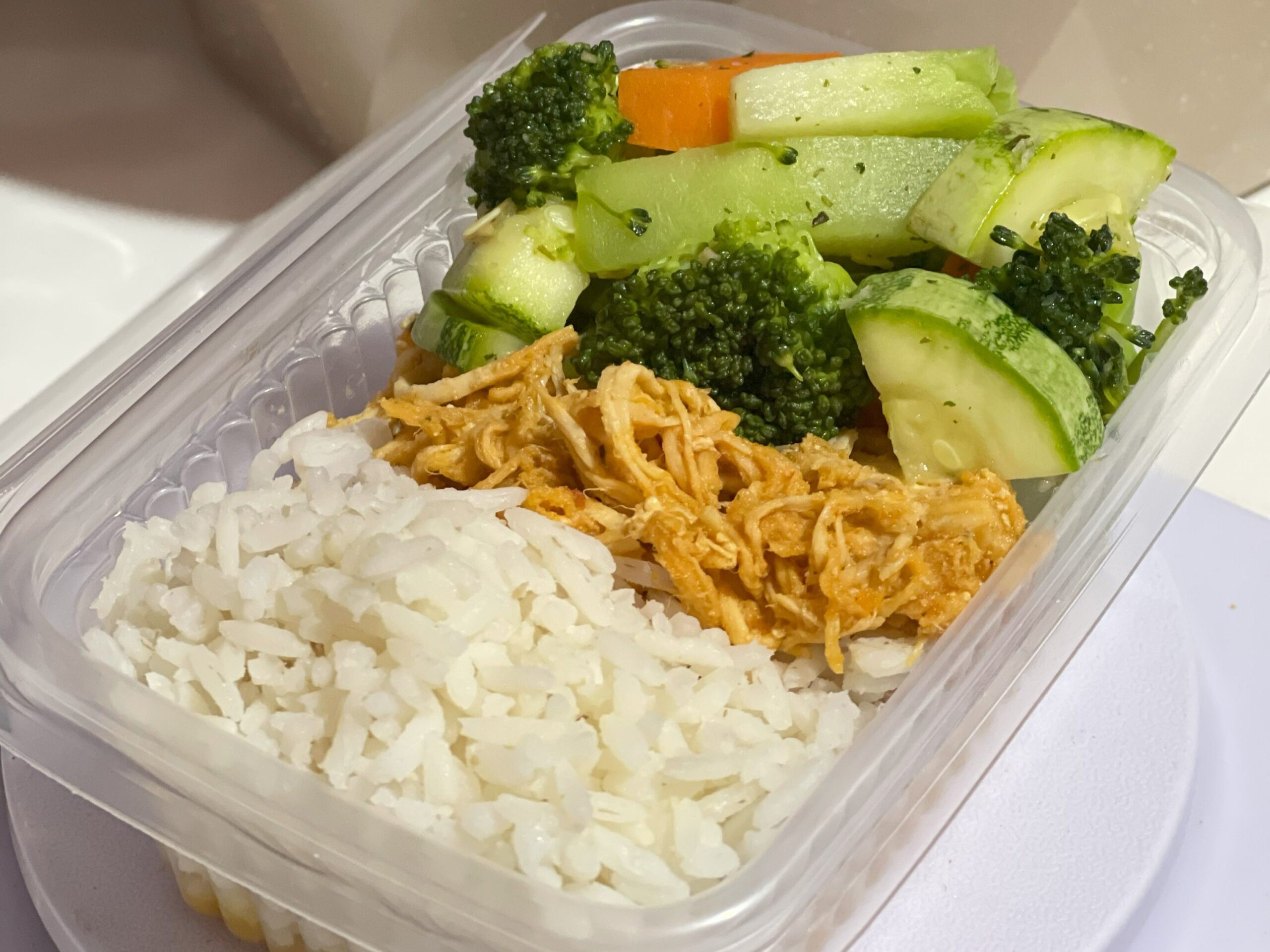
Are There Really “Good” Carbs and “Bad” Carbs?
Carbs get talked about a lot.
Some people avoid them completely.
Others say you need them for energy.
And somewhere in the middle, you hear terms like “good carbs” and “bad carbs.”
It can get confusing pretty quickly.
So are there really good carbs and bad carbs?
Kind of.
But it’s less about labeling foods and more about understanding where those carbs come from and how they affect your body.
A Simple Starting Point
One of the simplest nutrition guidelines we use comes from CrossFit:
Eat meat and vegetables, nuts and seeds, some fruit, little starch, and no sugar.
That’s it.
It doesn’t say “no carbs.”
It doesn’t require tracking everything.
It just points you toward whole, minimally processed foods.
And that’s where the difference between “good” and “bad” carbs starts to make more sense.
What People Mean by “Good Carbs”
When people say “good carbs,” they’re usually talking about whole, less processed foods.
Things like:
- Fruits
- Vegetables
- Potatoes
- Rice in more natural forms
These foods tend to:
- Contain fiber
- Provide vitamins and nutrients
- Digest more slowly
That slower digestion helps provide more steady energy instead of quick spikes.
You’re not just getting carbs. You’re getting nutrition along with them.
What People Mean by “Bad Carbs”
“Bad carbs” usually refer to highly processed, refined foods.
Things like:
- Sugary snacks
- Soda
- Candy
- White bread and pastries
- Packaged foods with added sugars
These foods tend to:
- Be low in nutrients
- Be easy to overeat
- Digest very quickly
They’re designed to taste good and be convenient, but they don’t do much to support your body.
What Happens When You Rely on Highly Processed Carbs
This is where the difference starts to matter.
1. Energy Spikes and Crashes
Highly processed carbs break down quickly.
That can lead to:
- A quick spike in energy
- Followed by a drop shortly after
You might feel:
- Energized for a short time
- Then tired, sluggish, or hungry again
2. Increased Insulin Response Over Time
When you consistently consume a lot of fast-digesting carbs, your body has to manage those spikes.
Over time, that can affect how your body handles blood sugar.
You don’t need to get overly technical here.
Just know that more stable nutrition tends to lead to more stable energy and better long-term health.
3. More Inflammation
Highly processed foods are often linked with increased inflammation.
That can impact:
- How you feel day to day
- How well you recover from workouts
- Your overall health
4. Poor Recovery From Workouts
If your nutrition is mostly coming from processed sources, your body is missing out on nutrients it needs.
That can affect:
- Muscle recovery
- Energy levels
- Performance over time
This Is Not About Eliminating Carbs
This is where people often go too far.
They hear “bad carbs” and think they need to cut carbs out completely.
That’s not the goal.
Carbs can be a great source of energy, especially if you’re active.
The goal is to be more intentional about where they come from.
What This Looks Like in Real Life
You don’t need to overhaul everything overnight.
A few simple shifts can make a big difference.
1. Focus on Whole Food Sources Most of the Time
Build your meals around:
- Protein
- Vegetables
- Whole food carb sources
This naturally improves the quality of your nutrition.
2. Limit Processed Foods Instead of Eliminating Them
You don’t need to be perfect.
But being aware of how often you’re relying on:
- Sugary snacks
- Packaged foods
- Drinks with added sugar
Can help you make better decisions.
3. Pair Carbs With Protein and Fats
Instead of eating carbs on their own, combine them with:
- Protein
- Healthy fats
This helps:
- Slow digestion
- Keep energy more stable
- Keep you fuller longer
It’s About Better Choices, Not Perfect Choices
There’s no need to label foods as completely off-limits.
That mindset usually doesn’t last.
The goal is to:
- Make better choices more often
- Focus on quality
- Stay consistent over time
Final Thought
Carbs are not the problem.
The source of those carbs matters.
When most of your nutrition comes from whole, minimally processed foods, your body:
- Has more stable energy
- Recovers better
- Feels better day to day
You don’t need to cut carbs out.
You just need to choose better ones more often.
And that’s what supports both your health and your performance.

SIMPLIFY YOUR NUTRITION WITHOUT OVERTHINKING IT
You don’t need a complicated plan to eat better. Book a free No Sweat Intro and we’ll help you build simple habits that support your goals.
Comments are closed